Construction services are the backbone of modern infrastructure development, shaping the spaces where people live, work, and operate businesses. From residential homes and commercial buildings to large-scale industrial facilities, construction services cover every stage of building creation, renovation, and maintenance. These services combine technical expertise, engineering principles, project management, and skilled labor to transform architectural plans into functional, safe, and durable structures.
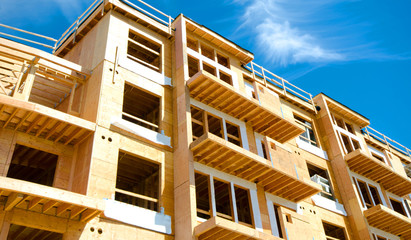
In today’s fast-evolving built environment, construction services are more important than ever. Increasing demand for housing, commercial expansion, and infrastructure upgrades requires careful planning and execution. Construction projects must also comply with strict safety regulations, building codes, and environmental standards. Professional construction services ensure that all these requirements are met while delivering high-quality results that stand the test of time.
One of the key strengths of construction services is their ability to manage complex projects from start to finish. Construction is not a single task but a coordinated process involving multiple phases, each requiring specialized knowledge and precise execution. Without proper coordination, projects can face delays, cost overruns, or structural issues. Professional construction teams bring together architects, engineers, contractors, and skilled workers to ensure smooth project delivery.
Construction services typically include a wide range of activities that support every stage of a building project. These services are designed to ensure efficiency, safety, and quality throughout the entire construction lifecycle.
Common types of construction services include:
- Site Preparation and Excavation
This stage involves clearing land, leveling surfaces, and preparing foundations for construction. Proper site preparation ensures structural stability and reduces future risks related to soil movement or drainage issues. - Structural Construction
Structural work includes building the framework of a structure using materials such as concrete, steel, or wood. This phase forms the core stability of any building and must be executed with precision and engineering accuracy. - Residential Construction Services
Residential construction focuses on building homes, apartments, and housing developments. These projects require attention to design, comfort, safety, and long-term livability. - Commercial Construction Services
Commercial projects include office buildings, retail spaces, hospitality structures, and mixed-use developments. These buildings often require larger scale planning and specialized design considerations. - Renovation and Remodeling Services
Renovation services involve upgrading existing structures to improve functionality, aesthetics, or compliance with modern standards. This may include structural changes, interior redesign, or system upgrades. - Project Management Services
Project management ensures that construction timelines, budgets, and resources are properly coordinated. It involves planning, scheduling, communication, and quality control throughout the project.
One of the most important aspects of construction services is project planning. Before any physical work begins, detailed planning is required to assess feasibility, estimate costs, and establish timelines. This phase includes architectural design, engineering analysis, budgeting, and regulatory approval. Proper planning helps prevent unexpected delays and ensures that the project aligns with client expectations and legal requirements.
Material selection is another critical component of construction services. The choice of materials directly affects the strength, durability, cost, and appearance of a structure. Construction professionals evaluate factors such as environmental conditions, load-bearing requirements, and budget constraints when selecting materials. High-quality materials contribute to long-term structural integrity and reduce maintenance costs over time.
Safety is a top priority in all construction projects. Construction sites involve heavy machinery, elevated structures, electrical systems, and potentially hazardous conditions. Strict safety protocols are implemented to protect workers and prevent accidents. These include the use of protective equipment, regular safety training, site inspections, and compliance with occupational safety regulations.
Construction services also play a major role in ensuring regulatory compliance. Building codes and regulations are established to ensure that structures are safe, energy-efficient, and environmentally responsible. Compliance with these standards is mandatory, and failure to meet requirements can result in legal penalties or project delays. Professional construction teams are knowledgeable about these regulations and ensure that all work adheres to current standards.
Modern construction services have also evolved with advancements in technology. Digital tools such as building information modeling, project management software, and automated machinery have significantly improved efficiency and accuracy in construction projects. These technologies allow for better planning, real-time monitoring, and improved communication between project stakeholders.
There are several key phases involved in a typical construction project:
- Planning and Design Phase
This phase includes conceptual design, feasibility studies, budgeting, and obtaining necessary permits. - Construction Phase
This is the physical building stage where structural work, installation, and assembly take place. - Finishing Phase
This includes interior work, exterior detailing, painting, flooring, and final installations. - Inspection and Handover Phase
Completed structures are inspected for quality, safety, and compliance before being handed over for use.
Construction services also contribute significantly to economic development. The industry generates employment opportunities, supports supply chains, and drives infrastructure growth. Residential and commercial construction projects stimulate local economies by increasing demand for materials, labor, and professional services. Infrastructure development such as roads, bridges, and public facilities further enhances connectivity and economic activity.
Sustainability has become an increasingly important focus in modern construction services. Environmentally responsible building practices aim to reduce energy consumption, minimize waste, and use eco-friendly materials. Sustainable construction may include energy-efficient designs, water-saving systems, and the use of recyclable or low-impact materials. These practices not only benefit the environment but also reduce long-term operational costs for building owners.
Construction services are also essential in disaster recovery and rebuilding efforts. After natural disasters or structural failures, construction professionals play a key role in restoring damaged buildings and infrastructure. This includes debris removal, structural assessment, and rebuilding efforts designed to restore safety and functionality as quickly as possible.
Commercial construction services often require more complex coordination due to larger project scales and specialized requirements. These projects may involve multiple stakeholders, strict deadlines, and advanced engineering solutions. Effective communication and coordination are essential to ensure that all aspects of the project are aligned and executed properly.
Residential construction, on the other hand, focuses more on livability, comfort, and customization. Homeowners often work closely with construction professionals to design spaces that meet personal preferences while maintaining structural integrity and compliance with building standards.
Renovation services are also becoming increasingly popular as property owners look to upgrade existing structures rather than build new ones. Renovation projects can improve energy efficiency, modernize outdated designs, and increase property value without the need for full reconstruction.
Choosing the right construction service provider is essential for the success of any project. Experience, reliability, and technical expertise all play a significant role in delivering high-quality results.
Important factors to consider when selecting construction services include:
- Experience with similar project types
- Strong project management capabilities
- Compliance with safety and building regulations
- Transparent budgeting and cost estimation
- Skilled workforce and technical expertise
- Proven track record of successful projects
Ultimately, construction services are about more than just building structures. They are about creating safe, functional, and sustainable environments that support everyday life and long-term development. From initial planning to final completion, construction professionals ensure that every detail is carefully managed to deliver strong, reliable, and efficient results.
As demand for infrastructure and development continues to grow, construction services will remain a vital part of shaping the physical world. Through innovation, expertise, and careful execution, the industry continues to build the foundations of modern society, one project at a time.